 Resellers Paradise
How to Start Reselling in the UK: Step by Step, From £0 to Your First £500
Ten steps, in order, from nothing to a reselling side hustle that pays. No money needed to begin, because you start by selling what you own. Written by the people who run the UK's largest reselling community, and honest about what takes time.
Start at step 1In short: to start reselling in the UK, list ten things you already own on Vinted to learn the platform for free, use eBay sold prices to learn what things are actually worth, pick one niche you already know, set £50 to £100 of stock money aside from those first sales, buy only below resale minus fees and postage, list the same day, post on a routine, write every number down, and stay under the £1,000 tax-free allowance until you are sure it's working. Add tools when speed, not effort, is what's holding you back.
This page is the order of operations. If you want to know what reselling is and which kind suits you first, read the guide to reselling in the UK and come back. If you already know you want to do it, start here. Everything below works with a phone, a roll of mailing bags and no money, and most of it is what we tell every new member in their first week.
Sell ten things you already own
Not because you'll make much. Because it's a free lesson in the whole process, and the money becomes your first stock. Go through your wardrobe and cupboards for ten things with a brand name on them: trainers, a coat, a jacket, jeans, a games console you don't use, a toy still in its box. Branded items sell; unbranded ones mostly don't, and you'll learn that too.
List them on Vinted. It's free to list, there's no seller fee, the buyer pays postage, and the app walks you through it. You'll learn how to photograph, how to describe, how to price, what a buyer message looks like, how a prepaid label works and how long money takes to arrive. Those are the mechanics of the whole trade, and you've learned them with stock that cost you nothing.
Two things to notice while you do it. Which items got views and offers in the first day, and which sat there. And how much the price you hoped for differed from the price it actually sold at. That gap is the next step.
Learn to value things from sold prices
This is the skill. Everything else is admin. A reseller is someone who knows what things are worth, and the only honest source of that is what people have recently paid, not what sellers are asking.
On eBay, search the item, open Filters, tick Sold items. You're now looking at real transactions. Ignore the top outlier and the bottom one; the middle is the price. On Vinted, sold listings show as "Sold" in search results if you scroll, and the price is visible. Do this for the ten things you listed in step one and see how close you were.
Then learn the sum, because you'll do it before every purchase for the rest of your reselling life:
The sum, before you buy anything
| Sold price (from recent sold listings, not asking prices) | £45 |
| What it will cost you, including any buyer fee and postage to you | −£14.50 |
| Fees on your sale (none on Vinted; eBay depends on your account type) | −£0 to £6 |
| Postage and a mailing bag (Vinted buyer pays postage; eBay you usually do) | −£0 to £3.50 |
| Profit, if everything above is true | £21 to £30 |
If the answer is under £10, don't buy it. Your time is worth more and one return or lost parcel wipes it out. Most beginners lose money in month one because they buy things that "should" sell for more, without checking. Don't be most beginners.
Pick a niche you already know
One thing. A trainer brand you've worn for years, a clothing label whose sizing you know, a toy line you collected, a card game you played, a console generation you grew up with. The reason is speed: when a listing appears, you need to know in two seconds whether it's a bargain, and you can only do that for things you know. Someone who has to look it up is already too late.
Good first niches for most people, because the stock is everywhere and it sells steadily: branded trainers (Nike, adidas, New Balance), branded outerwear (The North Face, Carhartt), Ralph Lauren and similar, Levi's. The best things to resell in the UK ranks fifteen with where to source and what the catch is. You'll add a second niche in a few months. Don't start with two.
Set stock money and the rules
Take £50 to £100 of the money from step one and call it stock money. That's the whole budget. Then set three rules and don't break them:
- Reinvest profit; never add more cash. If the first £100 of stock hasn't sold, more stock isn't the answer. Finding out why is.
- Only buy when the sum from step two says yes. No "it'll probably go for". Sold price, minus costs, or no.
- No bulk, no pallets, no credit. Those are for people who already know what sells. You'll be one of them in six months.
This is the step that separates people who are still reselling in a year from people who bought £400 of stock in week two and have it in a cupboard. If you genuinely have nothing to sell in step one, the no-money start covers free sourcing until you do.
Source below resale
Now buy. Where to look, in order of how easy it is for a beginner:
- Vinted. The biggest source of underpriced branded clothing and trainers in the country, because millions of people list what they don't want at whatever price comes to mind. Search your niche, sort by newest, check every listing against the sum. The good ones sell within a minute of being listed, which is the limitation you'll hit first.
- eBay. Auctions ending at odd hours, mis-titled listings nobody else finds, job lots. More effort, bigger gaps.
- Facebook Marketplace. Local, no postage, often absurdly cheap because people want it gone. Also the free section.
- Charity shops and car boots. Slow, physical, and where you'll find the odd thing worth ten times the price. Car boots at closing time are the best deals of the week.
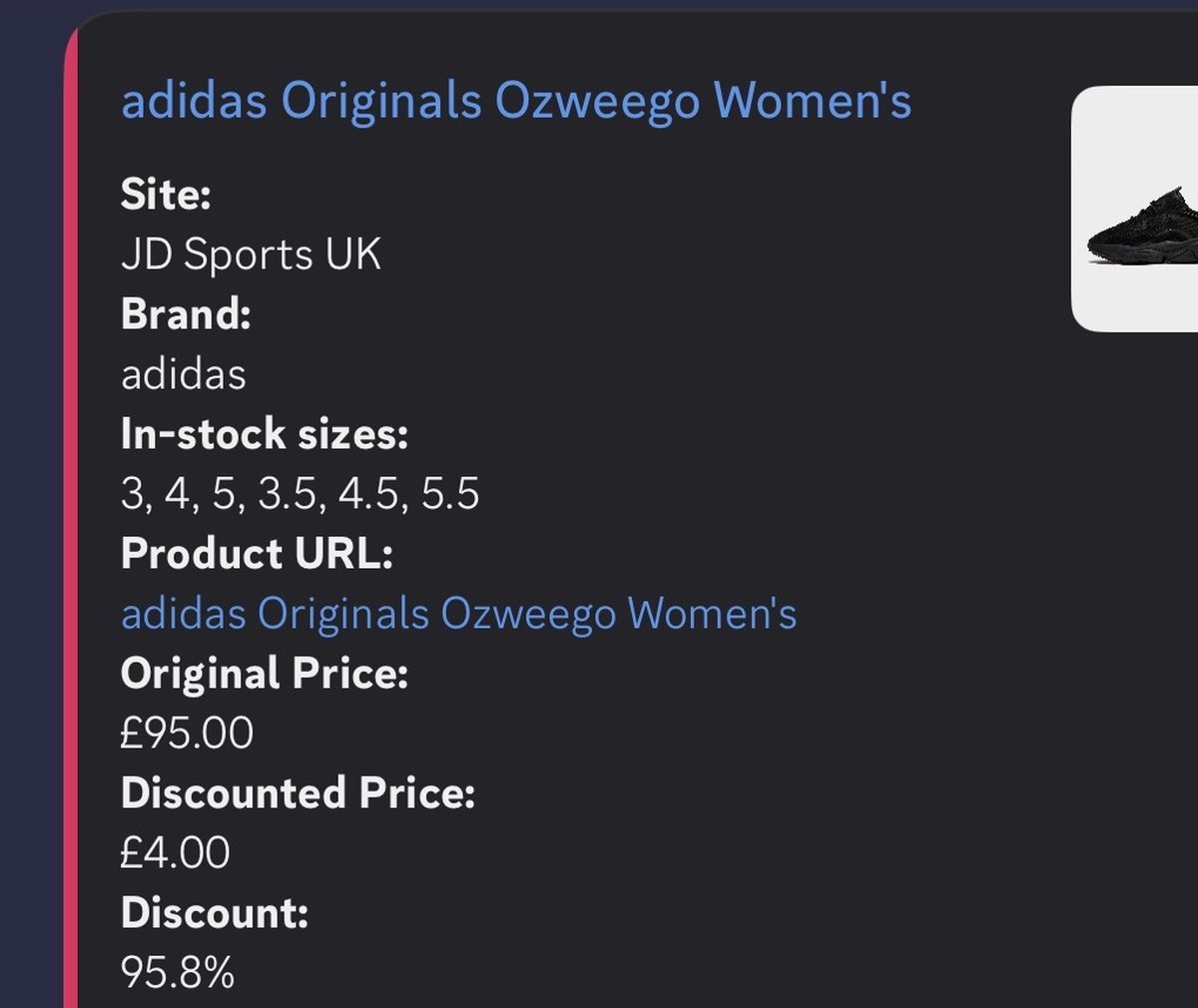
- Retail clearance, outlets and price errors. Once you know your niche, new stock bought on a mistake or a clearance can be the biggest margin you'll see. Our discount monitors watching 50+ UK retailers caught adidas Ozweegos priced at £4 instead of £95 in recent weeks; members resold them at £40 to £55 a pair. Retail arbitrage in the UK explains how this side works.
Whatever you buy, it goes through the sum first. Every time.
List properly, the same day
Stock in a cupboard is money in a cupboard. List the day it arrives. A good listing is not complicated:
- Photos in daylight on a plain background. Front, back, label, any flaw. Honest photos sell faster and get fewer returns. Our members reckon good photos add £10 to £20 to a sale, and it costs nothing.
- Title: brand, item, size, colour. "Nike Air Max 90 UK 9 white" not "trainers". Buyers search for words; give them the words.
- Condition, honestly. Mention the mark. A buyer who finds it themselves opens a dispute.
- Price against sold listings, not against what other sellers are asking. Asking prices are wishes.
- Right platform for the item. Clothes and trainers under about £100: Vinted. Higher value, collectibles, anything with a model number: eBay. Streetwear and vintage: Depop. eBay vs Vinted vs Depop has the full table.
Post and pack on a routine
The part nobody talks about and the part that quietly decides whether you keep going. Buy mailing bags in bulk online, not one at a time from the post office. Pick a drop-off point you already pass, an InPost locker or an Evri shop on the way to work, and post every sale within a day. Late posting is how you get bad reviews, and bad reviews are how you stop selling.
Set a time. Many of our members pack in the evening and drop on the morning commute. Parents do it in school hours. Once it's a habit it's fifteen minutes a day; while it's a decision it's a chore.
Keep records from the first flip
A spreadsheet with one row per item: what it cost, where from, date listed, where listed, date sold, sold price, fees, postage, profit. Or the RP app, which does this for you. It takes thirty seconds per item and it answers the only question that matters, which is whether this is making money, in week two rather than in January.
Receipts and screenshots in a folder. You'll need them for tax if you pass the allowance, and you'll need them to prove you bought something if a platform ever asks.
Sort the tax position
Simpler than people fear. Selling your own belongings in step one is not trading and is not taxed. Once you're buying to sell on, you're trading, and the first £1,000 of income in a tax year is covered by the trading allowance: no tax, nothing to tell HMRC. Above that, you register for Self Assessment as a sole trader, by 5 October after the end of the tax year it happened in, and pay tax on profit, which is sales minus stock, fees, postage and tools. Vinted, eBay and Depop report sellers to HMRC once they pass 30 sales or around £1,700 in a year; that is visibility, not a bill.
The side hustle tax calculator tells you in thirty seconds whether a month's figures mean you owe anything. Sole trader or limited company is the question for later, once the numbers are bigger.
Add speed and guidance when effort stops being the limit
Somewhere around the second or third month you'll notice the ceiling. You can value things now. You know your niche. And every genuinely underpriced listing you find has already sold, usually within a minute of appearing, to someone who saw it first. The clearance drop you read about on TikTok was gone before the video finished. The limit has stopped being your effort and started being your speed.
That's the point where a community like Resellers Paradise earns its £25 a month, and not before. Members get the Vinted bot, which shows new listings 4 to 7 seconds before they appear in the app, filtered to your niche, with one-tap autobuy; eBay and Depop monitors; the discount and price-error monitors that caught those Ozweegos; stock checkers and release alerts; and the RP app. You can watch the Vinted feed working for free on the live monitor.
And the half people don't expect: guidance. We tell you what to buy, what it sells for and where to sell it, every day. A full Vinted reselling guide, outlet guides, trading card guides, hype release guides. Release calls before a drop so you know whether to queue. A staff team in Discord so your first weeks aren't spent guessing. And 1,500+ members posting what's selling and at what margin, which is the fastest education in this trade there is. It's deductible against your reselling profit, and code WEBSITE takes 20% off the first month.
What the first two months actually look like
Our estimate from watching a lot of people start. Yours will vary, and slower is normal.
| When | What you're doing | Realistic money |
|---|---|---|
| Week 1 | Ten of your own items listed. First sales, first postage run. | £30 to £150 from your own things |
| Week 2 | Sold-price research. Niche picked. £50 to £100 stock money set aside. First two or three bought items. | £0 profit. You're buying. |
| Weeks 3 and 4 | First bought items selling. Spreadsheet started. You discover one of your buys was a mistake. | £20 to £60 profit |
| Month 2 | Routine forming. Listing within a day, posting on the commute. Ten to twenty items out at once. | £80 to £200 profit |
| Month 3 onwards | You hit the speed ceiling. Decide whether tools are worth it. | £100 to £300 without tools; £500 to £1,000+ with tools and a routine, for many of our members |
The five mistakes that end most beginners
- Buying on hope. No sold-price check. The number one cause of dead stock.
- Adding money instead of reinvesting. Turning a £50 lesson into a £500 one.
- Unlisted stock. It's not a business until it's listed.
- Ignoring fees and postage. "Made £20" that actually made £9.
- Cancelling orders. On Vinted especially, cancelling bought items gets your account restricted and then banned. Buy what you mean to buy.
The longer list, with what each costs and the fix, is in reselling mistakes to avoid. And if you're still deciding whether it's for you, is reselling worth it in the UK gives the honest answer with numbers.
Frequently asked questions
How do I start reselling in the UK with no money?
Sell what you already own. Ten items from your wardrobe or cupboards listed on Vinted costs nothing and teaches you listing, pricing, postage and buyer behaviour. The money from those sales becomes your first stock money, usually £50 to £100, which is enough to learn with. Don't borrow or buy in bulk to start.
What should I resell first?
Something you already know well enough to judge at a glance, such as a trainer brand, a clothing label, a toy line or a trading card game. Knowing the niche means you spot a bargain faster than someone who has to look it up, and you make fewer bad buys. Branded clothing and trainers are the easiest first niche for most people because the stock is everywhere and sells steadily.
Where do UK resellers buy stock?
Second-hand from Vinted, eBay, Facebook Marketplace, charity shops and car boots, and new from retailer clearance, outlets and price errors. Experienced resellers automate the finding with monitors that alert them the moment an underpriced listing or a price drop appears, because the best ones go within seconds.
How much can a beginner make reselling?
Our estimate: a few hours a week flipping second-hand clothes makes £100 to £300 a month after fees once you're settled. The first month is usually less, because you're learning. Treated as a part-time job with monitors and guidance, many of our members clear £1,000 or more a month. Nobody makes much in week one.
Do I need to register as a business to resell?
Not at first. The first £1,000 of reselling income in a tax year is covered by the trading allowance, with no tax and no need to tell HMRC. Above that you register as a sole trader for Self Assessment, which takes ten minutes online. A limited company is a later decision for higher profits. Platforms report sellers to HMRC once they pass 30 sales or around £1,700 in a year, so keep records from the start.
When are reselling tools worth paying for?
Not at the start. Sell what you own, prove you'll do the work, make the first £100. Tools become worth it when speed is the limit: when the good listings you spot have already sold and the clearance drops you hear about are gone. That's when a Vinted bot with one-tap buying, retailer monitors and daily guidance on what to buy change what you can earn.
How long does it take to make money reselling?
The first sale usually lands within days of listing. The first £100 of profit from bought stock typically takes three to six weeks, because you're learning what sells and waiting for items to go. A steady routine takes two to three months to settle. It's a trade you get better at, not a switch.
- HMRC, Tax-free allowances on property and trading income, and Selling goods or services on a digital platform.
- Earnings and timelines on this page are our estimates from members' results, shared in the Resellers Paradise Discord with screenshots. They are not promises. Platform fees change; check each platform's current fee page.
Ready for step 10?
Join 1,500+ members using the Vinted bot, eBay and Depop monitors, discount monitors and the RP app, with guidance every day.
£25/month. Everything included. Cancel any time.
Use code WEBSITE for 20% off your first month
Join Resellers Paradise