 Resellers Paradise
Reselling in the UK: What It Is, How It Works, How to Start
Reselling is buying things for less than they're worth and selling them for what they're worth. This is the whole of it, from the five kinds of reselling and where to sell, through the maths of a flip and how resellers find deals before everyone else, to tax and a plan for your first month. Written by the people who run the UK's largest reselling community.
Start this monthIn short: reselling is buying below market value and selling at market value. In the UK it means second-hand flipping on Vinted and eBay, retail flipping when shops price things wrong or clear stock, hyped releases that sell out, collectibles, and buying in bulk. You can start with nothing by selling what you own. The margin on any one item is small; the money comes from being fast, knowing what things are worth, and doing it often. The first £1,000 a year is tax-free.
What reselling is, and isn't
Reselling is the oldest trade there is: buy something where it's cheap, sell it where it's wanted. The internet changed two things. Anyone can now see what something is worth in seconds, because sold prices on eBay are public. And anyone can reach every buyer in the country from their phone, because Vinted, eBay and Depop are free to list on. What used to need a market stall and a van now needs a phone and a bag of parcels.
A reseller is simply someone who does this on purpose: buys with the intention of selling on. That's the line HMRC draws too. Selling your own old clothes isn't reselling and isn't taxed, however much you make. Buying a jacket because you know it sells for three times the price is reselling, and once you've done enough of it the tax rules apply.
Two things it isn't. It isn't dropshipping, where you sell things you've never held and a supplier posts them. And it isn't a get-rich-quick scheme. The margin on a single flip is often £10 to £30. Reselling pays because those margins repeat, and because every so often a retailer makes a mistake and the margin on one morning's work is in the thousands.
The five kinds of reselling
Most people end up doing two or three of these. They need different amounts of money, time and knowledge, and they pay differently.
| Kind | What it is | Start money | Typical margin | What decides who wins |
|---|---|---|---|---|
| Second-hand flipping | Underpriced clothes, trainers and goods on Vinted, eBay, Facebook, charity shops and car boots, sold at market price | £0 to £100 | £10 to £40 per item, repeated | Speed on new listings, knowing brands and sizes |
| Retail flipping | New stock bought when a retailer prices it wrong, discounts it heavily or clears it, sold at normal price | £50 to £500 | 50% to 90%, but it comes in bursts | Hearing first. A price error lasts minutes |
| Hyped releases | Limited trainers, Pokémon sets, LEGO and collaborations that sell out on release and rise in price | £100 to £300 per item | £20 to £200+ per item | Knowing what will resell before it drops, and getting the order through |
| Collectibles and cards | Pokémon, sports cards, retro games, LEGO sets, vinyl: bought at retail or under-valued second-hand, held or sold | £20 to £200 | Varies widely; some items double | Knowledge. Grading, sets, what's about to be rare |
| Bulk and wholesale | Pallets, job lots, liquidation stock and returns, bought in volume and sold as singles | £200 to £2,000 | 30% to 60% on the lot, with duds | Capital, storage and the patience to list fifty things |
Second-hand flipping
Where almost everyone starts and what most of our members do daily. The classic flip: a Ralph Lauren quarter zip listed on Vinted at £12 by someone clearing their wardrobe, bought and relisted at £45 with better photos and the right keywords. New Balance at £30 that sells for £80. A North Face jacket at £40 that's worth £120. The stock is endless because people under-price what they don't know the value of, every minute of every day. The catch is that you're not the only one looking, which is why serious resellers use a Vinted bot that shows new listings before the app does.
Retail flipping
Also called retail arbitrage. Shops get prices wrong, clear seasonal stock at 70% off, run outlet promotions and stack discount codes. If you hear in time, you buy at the mistaken price and sell at the real one. Our members do this alongside their Vinted work, and it's where the big single wins come from. Two from the last fortnight, both caught by monitors watching 50+ UK retailers:
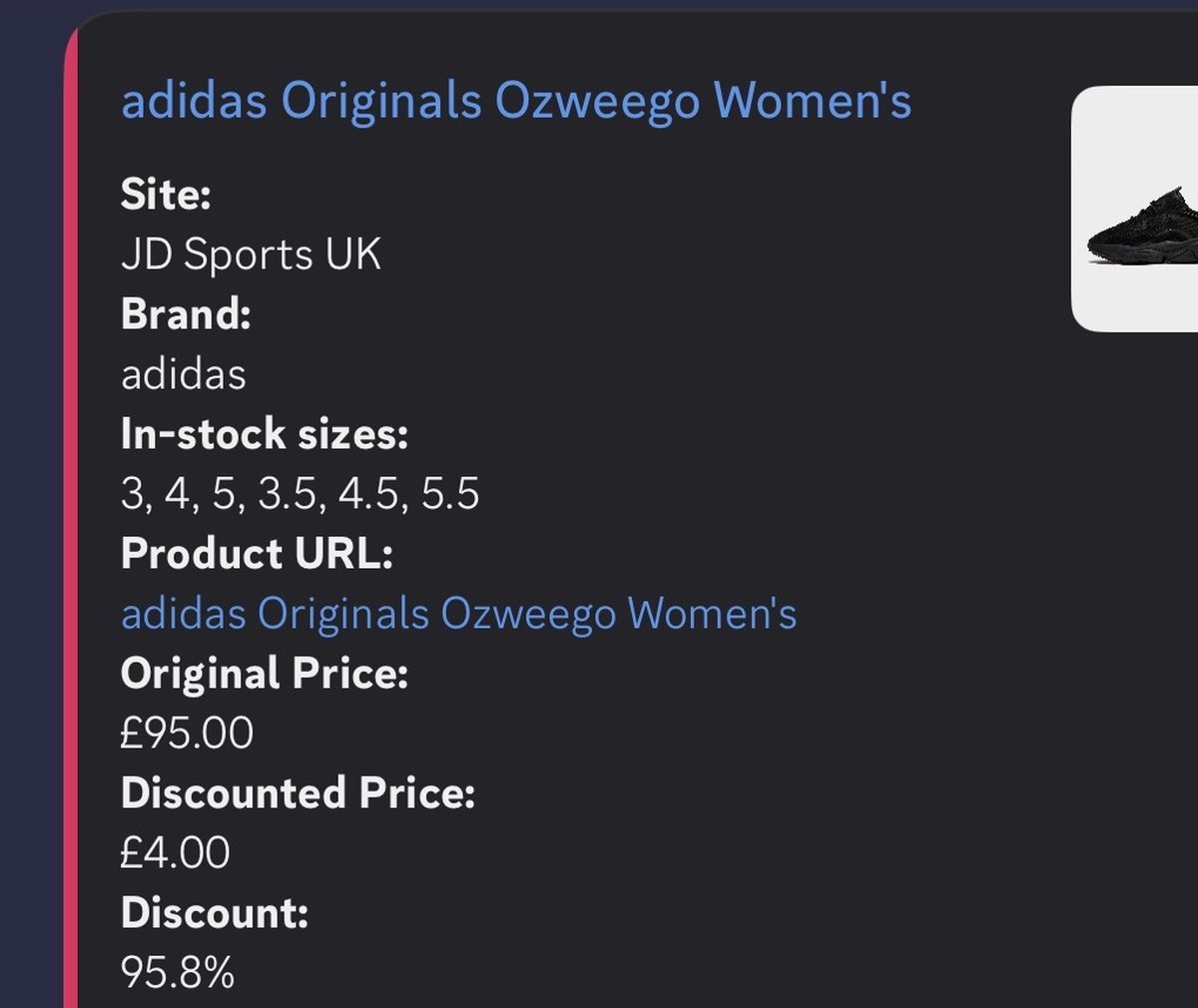
adidas Ozweego, JD Sports
Members bought multiple pairs each; one took 270. They resell at £40 to £55 a pair.
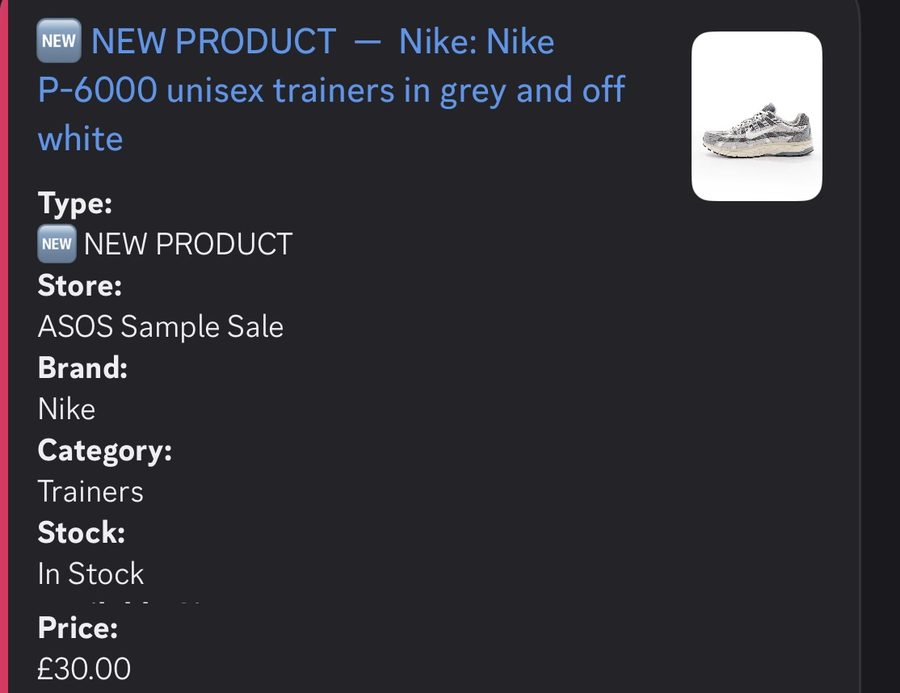
Nike P-6000
The same monitors caught Levi's at £4 and adidas Continentals at £10 in the same two weeks.
Hyped releases
Limited trainers, Pokémon expansions, LEGO exclusives and brand collaborations that sell out in minutes and trade above retail afterwards. This is the kind of reselling people have heard of. It needs knowledge more than money: which release will actually resell and which will sit at retail, where it's dropping, and how to get the order through when the site is under load. Get it wrong and you've bought full-price stock nobody wants. Our team posts what a release will resell for before it drops, so members know whether to bother before the queue forms.
Collectibles and cards
Pokémon and other trading cards, retro games, LEGO, vinyl. Partly reselling, partly investing: buy at retail or under-valued second-hand, sell when the price moves. The Pokémon at retail guide covers the card side. It rewards specialists, and the best resellers in it have been collectors first.
Bulk and wholesale
Pallets of returns, job lots on eBay, liquidation stock. More capital, more storage, more listing, and some of every lot is unsellable. It's where second-hand flippers go when they've outgrown one item at a time, not where anyone should start.
The maths of a flip
Every flip is the same sum, and doing it before you buy is the whole skill. Sold price, minus what you paid, minus the platform's fees, minus postage and packaging, is your profit. Not the listed price: the sold price. eBay lets you filter completed listings by sold items, which shows what buyers actually paid, and it's the only number that matters.
A Ralph Lauren quarter zip, bought on Vinted, sold on eBay
| Sold price (checked against recent sold listings) | £45.00 |
| Bought for, including Vinted buyer protection and postage | −£14.50 |
| eBay fees on the sale (varies by account type; check the current rate) | −£5.80 |
| Postage and a mailing bag | −£3.20 |
| Profit | £21.50 |
That's a good flip. It's also twenty minutes of work and an item sitting in your house for a week, which is why nobody gets rich on one of them and plenty of people make £300 a month on fifteen of them. The same sum on a retail flip looks different: £4 paid, £45 sold, £8 in fees and postage, £33 profit, and you bought nine pairs. That's the appeal of hearing first.
Three rules that fall out of the sum. Sell on the platform with the lowest fees for that item, which for clothes under £100 is usually Vinted. Never guess the sold price. And count postage honestly, because it's what turns a £15 margin into a £9 one.
Where to sell
- Vinted. The default for clothing, trainers and accessories, especially under £100. No seller fees, the buyer pays postage, and the audience is enormous. Listings are quick. Buyers expect bargains, so premium items can do better elsewhere. Our £50,000 in a year on Vinted breakdown shows what a full-time Vinted operation looks like.
- eBay. The biggest marketplace and the one buyers search precisely, so the right place for higher-value items, collectibles, electronics and anything with a model number. Fees apply and differ between private and business sellers; check the current fee page before you list.
- Depop. Streetwear, vintage and Y2K to a younger audience. Good for curated items with styling; slower for generic stock.
- Facebook Marketplace. Local, no postage, no fees. Best for bulky things and furniture, and for buying as much as selling.
- Live selling. Whatnot and TikTok Shop, where resellers sell on stream. Fast for volume if you have the stock and the patience to present it; a lot of the trainers our members pick up end up sold this way.
Most resellers list the same item on two platforms and remove it from the other when it sells. The RP app tracks what you paid, where it's listed and what it made, which matters more than it sounds once you have forty items out.
Why speed decides who makes money
Here is the thing nobody tells beginners. The underpriced listing you find by scrolling has usually been seen by a hundred other people scrolling. The good ones sell within a minute of being posted, often within seconds. The retailer price error that gets shared on TikTok is gone by the time the video has been watched. In every kind of reselling, the people making real money are the ones who hear first.
They hear first because they don't scroll. They run monitors: software that watches new listings, prices and stock around the clock and sends an alert the second something matches. A Vinted monitor shows a listing 4 to 7 seconds before it's visible in the app, with a buy button on the alert. A discount monitor posts a price change at the moment it happens. That's not an edge over beginners; it's the difference between a hobby and an income. You can watch one running on our free live Vinted monitor.
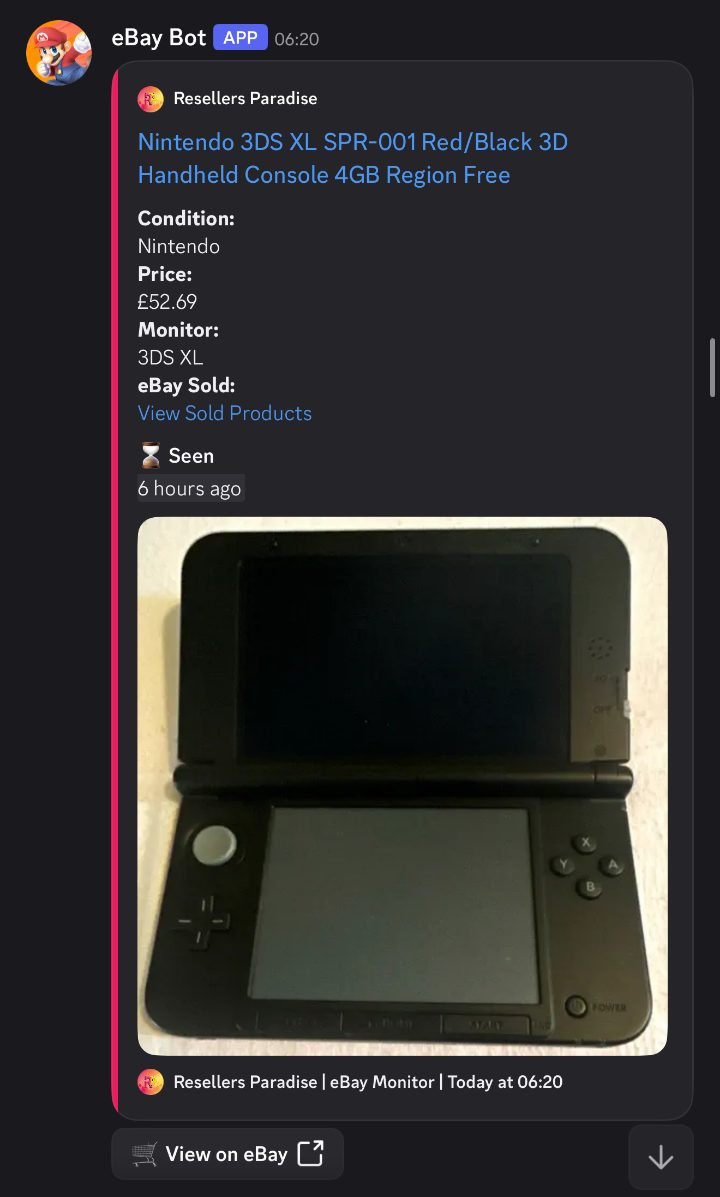
The second half of speed is knowing what to do with the alert. A monitor that shows you everything is noise. The skill is a filter for your niche, brand, size, price ceiling, and knowing instantly whether £28 for that jacket is a flip or a pass. That comes from experience, or from people who already have it telling you.
How to start: the first month
You don't need money, a niche or tools to start. You need to sell ten things. The full ten-step version, with the sum to do before every purchase and what the first two months look like, is how to start reselling in the UK.
Week 1: sell what you own
Ten items from your wardrobe on Vinted. Free stock, and you learn listing, fees and postage
Week 2: pick a niche
One thing you already know: a trainer brand, a label, a toy line. £50 to £100 stock money, no more
Week 3: buy below resale
Check sold prices before every purchase. Buy only below resale minus fees and postage. List the same day
Week 4: records, then decide
Every purchase, sale, fee and postage cost written down. Over £100 and enjoyed it? Add tools and keep going
The longer version, with the tax rules and how it fits around a job, is in the side hustle UK guide. If you want to know what you'd owe on a given month's profit, the tax calculator works it out in thirty seconds.
The mistakes that end most resellers
- Buying on hope. "It'll probably sell for about…" is not a sold price. Check.
- Adding money instead of reinvesting. If the first £100 of stock hasn't sold, the problem isn't a lack of stock.
- Stock in cupboards. Unlisted stock is money doing nothing. List the day it arrives.
- Bad photos. A clean background and daylight add £10 to £20 to a sale and cost nothing.
- Ignoring fees and postage. The flips that "made £20" and actually made £9.
- Chasing every hype release. Most don't resell. Buy the ones the people who track this say will, not the ones with the loudest launch.
- No records. You find out in January whether it was profitable, instead of in week two.
Tax, in three lines
The first £1,000 of reselling income in a tax year is covered by the trading allowance: no tax, no need to tell HMRC. Above that you register for Self Assessment, by 5 October after the tax year ends, and pay tax on profit, meaning sales minus stock, fees, postage and tools, including a membership like this one. Vinted, eBay and Depop report sellers to HMRC once they pass 30 sales or around £1,700 in a year, which is not a bill, just visibility, so keep records from the first flip. The full explanation and the calculator are a click away.
Tools and guidance: what a community gives you
Not needed to start. Needed the moment you notice that every good listing has already sold and every price error was gone before you saw it. That's when a community like Resellers Paradise earns its £25 a month.
The tools: the Vinted bot with one-tap autobuy, eBay and Depop monitors you filter to your own niche, discount and price-error monitors across 50+ UK retailers, in-store stock checkers, release alerts, and the RP app for pricing and profit tracking.
The guidance, which is the half people don't expect: we tell you what to buy, what it sells for and where to sell it. A full Vinted reselling guide, outlet guides, trading card guides and hype release guides. Release calls before a drop so you know whether to queue. A staff team in Discord every day, so a beginner's first week isn't spent guessing. And 1,500+ members posting what's selling and at what margin, which is the fastest education in reselling there is.
Frequently asked questions
What is reselling?
Buying something for less than it is worth and selling it for what it is worth. In the UK that usually means second-hand items from Vinted, eBay, charity shops and car boots, new stock from retailer clearance and price errors, and limited releases such as trainers, Pokémon and LEGO that sell out and rise in price. The profit is the gap between what you paid and what it sells for, minus fees and postage.
Is reselling legal in the UK?
Yes. Once you've bought a physical item it's yours to sell on. Retailers can limit how many you buy and can refuse future orders, and event tickets have their own rules, but reselling goods is an ordinary, legal trade. If you do it to make a profit you're trading in HMRC's eyes and the usual tax rules apply above £1,000 a year.
Is reselling profitable?
It can be, at any scale. A couple of hours a week flipping second-hand clothes realistically makes £100 to £300 a month after fees. Treated as a part-time job with the right tools it's £1,000 or more a month for many of our members, and retail flipping adds occasional large wins when a price error or clearance drops. The margin on any single item is small; the money comes from speed, knowledge and volume.
How much money do I need to start reselling?
Nothing to begin, because you start by selling what you already own. After that, £50 to £100 of stock money is enough to learn with. Reinvest the profit rather than adding more cash, and only scale once you've proven you can sell what you buy.
What sells best for resellers in the UK?
Branded clothing and trainers with steady demand (Nike, adidas, The North Face, Ralph Lauren, Carhartt, Stone Island, New Balance), Pokémon and other trading cards, LEGO, retro games and consoles, and anything from a hyped release that sold out. The best niche is one you already know, because you'll spot a bargain faster than someone who has to look it up.
Where is the best place to sell?
Vinted for clothing and trainers under about £100, because there are no seller fees and the buyer base is huge. eBay for higher-value items, collectibles and anything buyers want to search for precisely. Depop for streetwear and vintage. Facebook Marketplace for bulky items sold locally. Many resellers list on two or three at once.
How do resellers find deals so fast?
Monitors. Software that watches new Vinted and eBay listings, retailer prices and stock pages continuously and sends an alert the second something matches, often before it's visible in the app. Members of Resellers Paradise get a Vinted bot with one-tap autobuy, eBay and Depop monitors and discount monitors across 50+ UK retailers, plus guidance on what's worth buying.
Do I pay tax on reselling?
Not until your total reselling income passes £1,000 in a tax year, which is the trading allowance. Above that you register for Self Assessment and pay tax on profit, which is sales minus stock, fees, postage and tools. Platforms report sellers to HMRC once they pass 30 sales or around £1,700 in a year, so keep records from your first flip.
- HMRC, Tax-free allowances on property and trading income, and Selling goods or services on a digital platform.
- Member earnings and catches are self-reported in the Resellers Paradise Discord with screenshots. Margins and earnings ranges on this page are our estimates from members' results, not survey data. Platform fees change; check each platform's current fee page.
Ready to resell properly?
Join 1,500+ members using the Vinted bot, eBay and Depop monitors, discount monitors and the RP app, with guidance every day.
£25/month. Everything included. Cancel any time.
Use code WEBSITE for 20% off your first month
Join Resellers Paradise